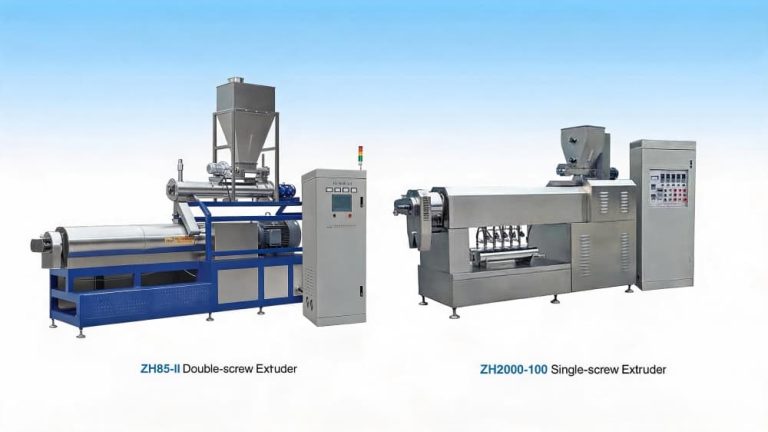
The Challenge in Modern Aqua Feed Production
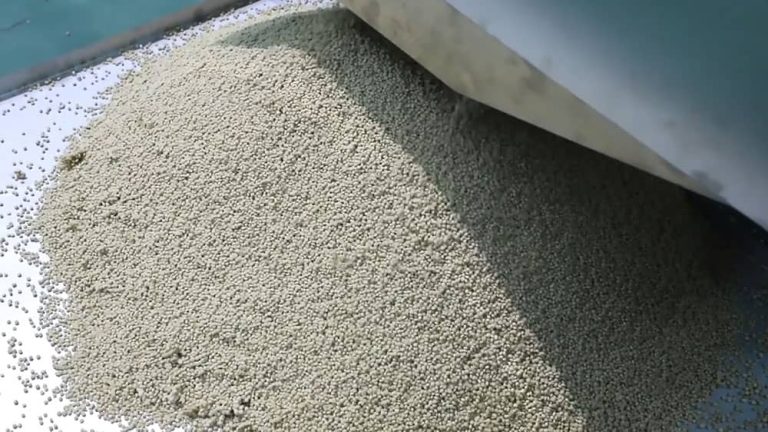
As the global aquaculture industry rapidly shifts towards high-density and intensive farming, the demand for premium, nutritionally dense aqua feed is skyrocketing. Modern aquatic species—ranging from salmon and trout to high-value shrimp—require feeds with elevated protein and high lipid (fat) contents. For feed manufacturers, the core engineering challenge is maintaining precise buoyancy (floating, sinking, or slow-sinking) while ensuring the pellets achieve ultimate water stability (not dissolving quickly and polluting the pond).
Key Takeaways / TL;DR
- Formulation Flexibility: Twin-screw extruders handle complex, high-fat (up to 22%), and high-protein aqua feed formulas much better than single-screw machines without slipping.
- Gelatinization Rate: Twin-screw systems achieve over 90% starch gelatinization, ensuring higher water stability and superior digestibility for aquatic animals.
- Long-term ROI: While single-screw extruders have a lower initial capital expenditure (CAPEX), twin-screw systems offer superior self-cleaning capabilities and precise density control, driving higher long-term profitability.
The Solution: Technical Deep Dive into Extrusion Mechanics
When engineering an aqua feed plant, the extruder acts as the heart of the entire processing line. The choice between single and twin-screw technology dictates your factory’s future capabilities.
1. Single-Screw Extruders: The Traditional Approach
Single-screw extruders rely heavily on the friction generated between the rotating screw and the stationary grooved barrel to push the material forward. While they are highly cost-effective and perfectly suitable for basic, low-fat carbohydrate formulations, they have significant limitations in modern aquaculture. When processing recipes containing more than 8% to 10% fat, the added lipids act as a lubricant. This drastically reduces the internal friction, causing the material to slip, stall, or flow backwards, which ruins the expansion process.
2. Twin-Screw Extruders (Zhuoheng ZH Series): The Industrial Standard
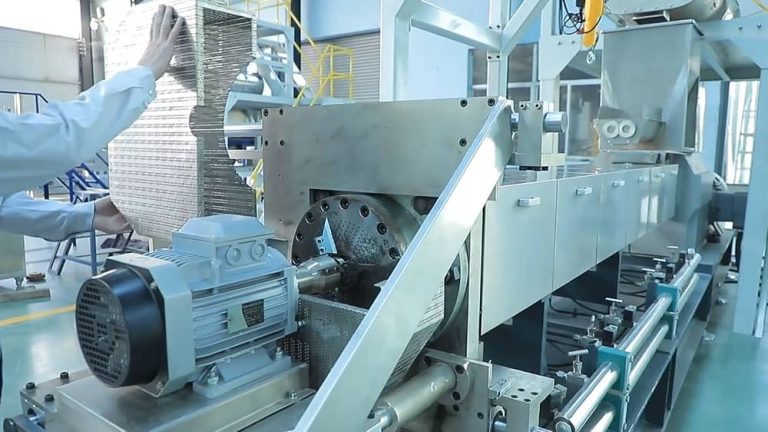
Twin-screw extruders utilize two intermeshing, co-rotating screws inside a specialized barrel. This geometric configuration provides a “positive displacement” pumping effect. This means the material is forcefully driven forward regardless of its internal viscosity or fat content. Zhuoheng’s advanced twin-screw extruders can effortlessly process specialized marine diets with fat additions up to 22%.
Furthermore, because aqua feed formulations often include highly abrasive ingredients like fish bone meal, Zhuoheng utilizes premium 38CrMoAl alloy steel with an advanced nitriding treatment for both the barrel and the screw segments. This ensures exceptional wear resistance, prolonging the lifespan of the equipment under 24/7 continuous operation.
Performance Comparison Data
| Technical Parameter | Single-Screw Extruder | Twin-Screw Extruder (Zhuoheng) |
|---|---|---|
| Maximum Fat Addition | 8% – 10% (Prone to slipping) | Up to 22% (Positive displacement) |
| Starch Gelatinization | 70% – 80% | > 90% (Higher digestibility) |
| Product Density Control | Fair (Mainly Floating feeds) | Excellent (Floating, Sinking, Slow-sinking) |
| Self-Cleaning Ability | Poor (Requires extensive manual downtime) | Excellent (Intermeshing screws wipe each other clean) |
Conclusion for Feed Mill Operators
For entry-level production facilities focusing on basic freshwater fish recipes, a single-screw extruder remains a viable and economical starting point. However, for industrial-scale feed mills aiming to dominate the high-margin, specialized aqua feed sectors (such as marine fish and shrimp), investing in twin-screw extrusion technology is not just an option—it is the undisputed industry requirement for sustained competitiveness.